
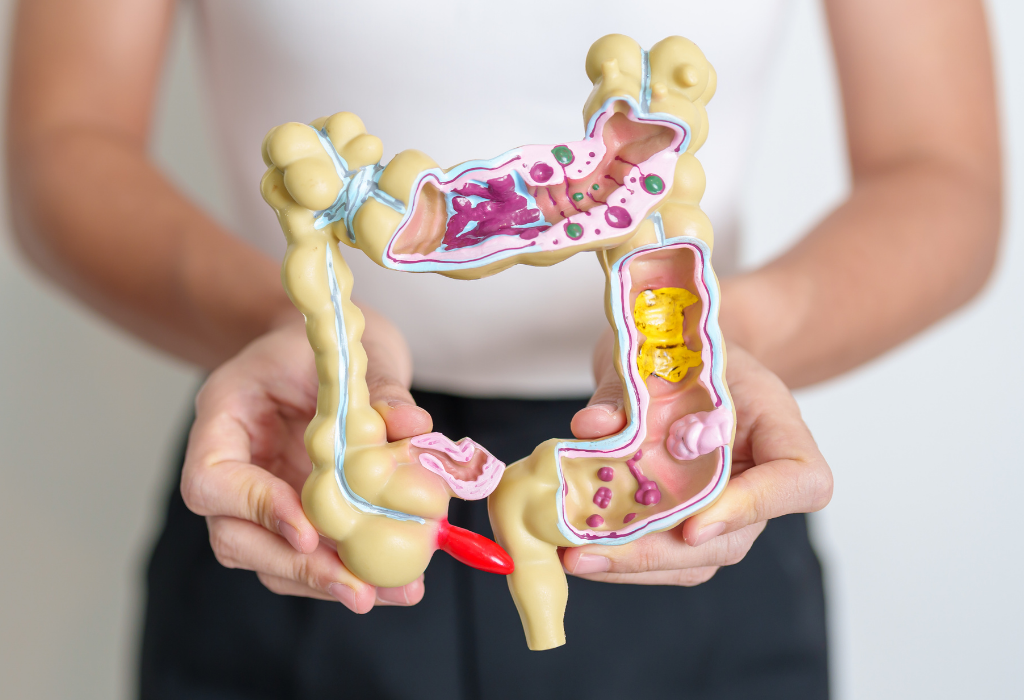
Bowel Cancer, also known as Colorectal Cancer, affects the large intestine, including the colon and rectum. It is one of the most common Cancers in the UK, but early detection and lifestyle changes can significantly improve outcomes. This blog covers risk factors, symptoms, treatment options, and ways to reduce your risk.
Risk Factors
Several factors can increase the likelihood of developing Bowel Cancer:
- Age – The risk increases with age, particularly in those over 50.
- Diet – A diet high in red and processed meats and low in fibre can contribute to a higher risk.
- Physical inactivity – A sedentary lifestyle has been linked to an increased risk.
- Obesity – Being overweight or obese is associated with a greater risk of Bowel Cancer.
- Smoking and alcohol consumption – Smoking and heavy alcohol use are known risk factors.
- Family history – A family history of Bowel Cancer may increase the risk.
Symptoms to Look Out For
Early detection of Bowel Cancer is crucial. Symptoms to be aware of include:
- Persistent changes in bowel habits (such as diarrhoea or constipation).
- Blood in the stool (without obvious reasons such as haemorrhoids).
- Abdominal pain, bloating, or cramping.
- Unexplained weight loss.
- Fatigue or weakness.
If you experience any of these symptoms for three weeks or more, it is important to speak to your GP as soon as possible.
Treatment Options
Treatment depends on the stage of Cancer and overall health. Common treatments include:
- Surgery – The most common treatment, where the affected section of the bowel is removed.
- Chemotherapy – A drug-based treatment that destroys Cancer cells, often used after surgery.
- Radiotherapy – High-energy radiation is used to shrink tumours, particularly for Rectal Cancer.
- Targeted therapy – Advanced treatments designed to attack Cancer cells while minimising damage to healthy cells.
There are ongoing developments in Cancer treatment. A recent UK study found that Immunotherapy combined with Gut Bacteria Transplants from “superdonors” helped some patients who had previously not responded to treatment.
How to Reduce Your Risk
While some factors, such as age and family history, cannot be changed, there are steps you can take to lower your risk:
- Eat a healthy diet – Increase your intake of fibre from whole grains, fruits, and vegetables.
- Stay active – Aim for at least 150 minutes of moderate exercise per week.
- Maintain a healthy weight – Being at a healthy weight reduces the risk of many Cancers.
- Limit alcohol and quit smoking – Reducing alcohol consumption and stopping smoking can lower Cancer risk.
- Get screened – Regular screening tests can detect Bowel Cancer early, even before symptoms appear. In England, home testing kits (the FIT test) are offered to those aged 60-74, and the programme is expanding to include those aged 50-59.
Final Thoughts
Bowel Cancer is a serious but preventable condition. By making healthy lifestyle choices, staying active, and attending regular screenings, you can reduce your risk. If you notice any symptoms, do not ignore them – early diagnosis can save lives.
For expert advice and support on workplace health and wellbeing, visit Asclepius Occupational Health Services.