
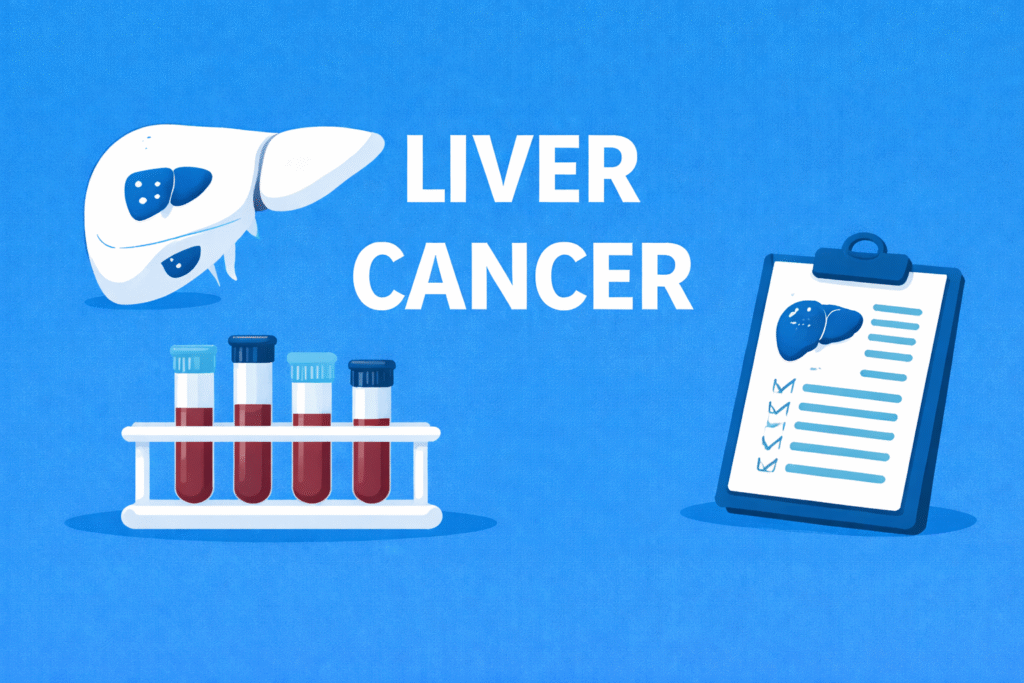
The liver
The liver is an organ found on the right-hand side of the abdomen, just below the ribs and the diaphragm, and is the size of a small football. It is a really important organ, carrying out many functions.
Types of cancer
There are different types of liver cancer, the most common type of liver cancer is hepatocellular carcinoma, which begins in the main type of liver cell (hepatocyte). It is not usual to get primaries in the UK, a person is more likely to have a metastatic tumour, which is when there is a primary tumour somewhere else in the body and the cells have migrated through the body, landing in the liver.
Conditions that can increase the risk of liver cancer
- Smoking increases the risk of any type of cancer as it deprives the body’s cells of the right amounts of oxygen and also contains chemicals that can affect the DNA of the cells.
- Being overweight increases the risk of cancer generally as there are more cells available to develop problems. With the liver particularly, it can become fatty, which increases the risk further.
- Excessive alcohol use can lead to cirrhosis. Cirrhosis is a condition where the cells of the liver are damaged, causing scarring across the liver. With repeated scarring the liver is unable to repair itself, which means it is unable to function properly.
- Chronic infection such as hepatitis B or C.
- Diabetes – the liver is involved in managing blood sugar levels in the blood.
- Inherited conditions (Haemochromatosis, Wilsons Disease)
- Age – Liver cancer is more common in older people, over 60, but even more so over the age of 85.
Signs
- Losing weight without trying
- Loss of appetite
- Upper abdominal pain
- Nausea and vomiting
- General weakness and fatigue
- Abdominal swelling
- Yellow discoloration of your skin and the whites of your eyes (jaundice)
- White, chalky stools
Diagnosis liver cancer
With people who are at greater risk, their doctors will carry out regular checks, usually blood tests, to make sure the liver is working as it should. In the event the blood tests show any abnormalities, it is likely a person would be booked in for a scan, so as the liver can be looked at. Should the scan cause concern, a small operation is carried out (biopsy) to remove some cells from the liver, which are then tested to see if they are cancerous.
Treatment
The treatment for liver cancer will be determined by the size of the cancer and whether it is a primary or metastatic. Any other medical conditions will also need to be taken into consideration to make sure the treatment is the best choice.
For early cancers it is possible to remove the part of the liver that has the cancer during an operation. It is also possible to use microwaves to destroy the cancerous cells. As most cancers of the liver are metastatic, these solutions are not the best option. In this event chemotherapy would be introduced. Chemotherapy is a powerful drug, used to destroy rapidly growing cancer cells. It works by targeting cells that divide quickly, which is characteristic of cancer cells, but it can also affect normal cells that divide rapidly, leading to side effects.
It is possible to undergo a liver transplant in the event of a primary liver cancer, although this has many associated risks.
Prognosis
Treatment is improving all of the time, with ongoing research. Survival rates can range from 5-70%, depending on whether the cancer is a primary or how far advanced it is at the time of discovery.
To avoid the risks of liver cancer a person is best advised to:
- Avoid smoking
- Maintain a good diet
- Exercise
- Avoid excess alcohol or drugs
- See their doctor as soon as possible if they have any worrying symptoms.
Prevention
There are some preventative actions to help reduce the risk of cancer and these are:
- Vaccination against hepatitis B
- Regular screening for high-risk individuals (e.g., those with cirrhosis or hepatitis).
To explore these in full and whether you would be suitable, you should discuss them with your local GP.
Support Resources
Cancer Research UK – Liver Cancer Support
https://www.cancerresearchuk.org/about-cancer/liver-cancer/living-with-cancer/coping
https://www.cancerresearchuk.org/about-cancer/liver-cancer/living-with-cancer
Macmillan Cancer Support – Liver Cancer Forum
https://community.macmillan.org.uk/cancer_types/liver-cancer-forum