
Our eyes are our window to the world; therefore, it is important to keep them as healthy as possible avoiding any injury or disease. Having regular eye tests, eating healthily, not smoking, protecting them from the sun, and wearing protection when exposed to environmental factors is a positive way of thinking to keep our eyes as healthy as possible.
A basic daily routine to start with in keeping good eye hygiene can be as simple as in the mornings and before going to bed, washing the eye lids with warm slightly soaped water, such as using baby shampoo on a cotton bud or small cotton face pad.
Risk Factors and Prevention
Eye Tests:
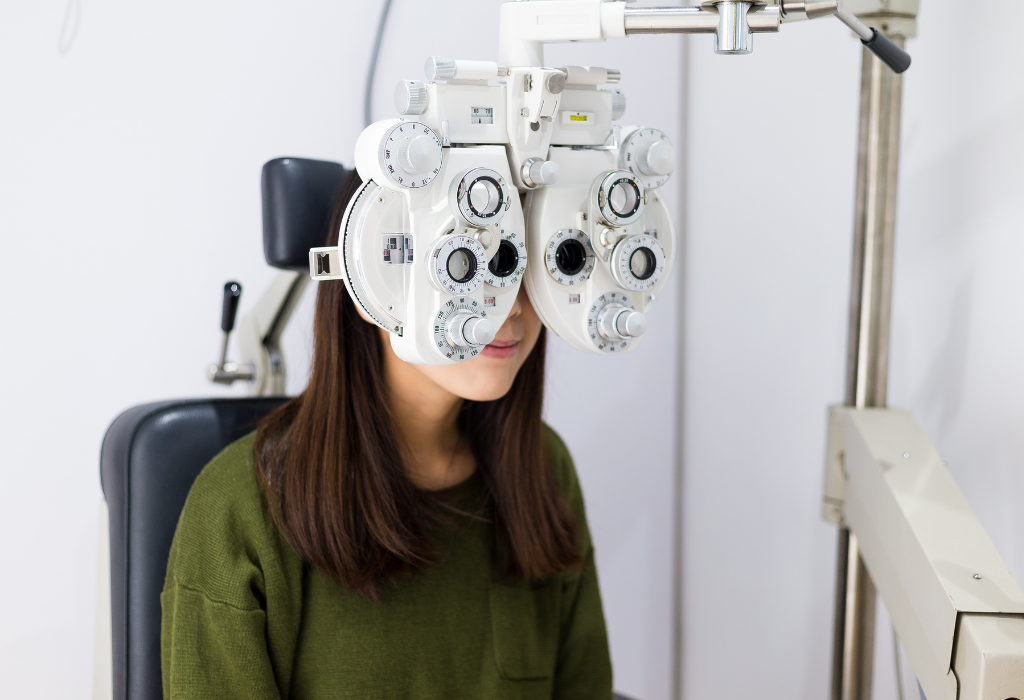
It is important to have regular eye tests every 2 years unless advised more frequently, so that any disease found which is caused by a medical condition, can be dealt with to prevent further risks and to be treated as soon as possible. Additionally, as individuals if we notice any changes with our vision, we need to arrange an eye test to rule out any concerns.
Eating Healthy:
Healthy eating contributes to keeping our eyes healthy, such as eating the advised 5 a day of vegetables and fruit, with mindful choices made over portion sizing, proteins and how much saturated fats we consume. If we eat the wrong foods and put on too much weight becoming obese, we are at risk of getting Diabetes which can cause vision issues.
Smoking:
Smoking might not generally be connected with eye health, although smoking as the Royal National Institute of Blind People (RNIB) notes, can double the risk of developing age-related macular degeneration, which causes blurred or no vision. The RNIB suggests that smoking is the main reason in the UK for sight loss, with the link being as strong as it causing Lung Cancer.
Environmental factors:
If in your work environment or personal hobbies, such as certain sports or DIY projects, you are exposed to chemicals or flying debris, it is important to wear sport goggles, safety glasses and visors to prevent injury and damage to the eyes.
The Sun:
The sun is known to have harmful UVA and UVB rays in the sunlight, which can put the eyes at risk of developing cataracts (clouding of the lens in the eye causing low vision) and age-related macular degeneration. It is important that sunglasses are worn with the CE mark or carry British standards on them, so you know you have protection when going out in the sun. Also, even when the sun is not shining the sun can be above the clouds with sunrays still coming through.
Treatment
An eye check-up is recommended at least every two years. More frequently if issues are identified.
Some underlying eye issues do not have any early warning symptoms.
If something is identified the Ophthalmologist may refer a person to their GP or to an Ophthalmology Department depending upon what underlying condition is suspected.
If a person has difficulties accessing a GP or Optician appointment, they may be able to access advice by speaking to a Pharmacist.
Sometimes it is difficult getting the right information needed to treat eye conditions, or perhaps getting appointments in a reasonable timeframe, although the NHS does treat a wide variety of conditions every year. Therefore, it is important if individuals have concerns that they know what channels to go down and who to chase.
It is important to have as much awareness as possible, arranging to have regular eye checks and keeping their eyes healthy in the meantime, whilst waiting for appointments and treatment.
Reference:
Royal National Institute of Blind People How to keep your eyes healthy | RNIB