
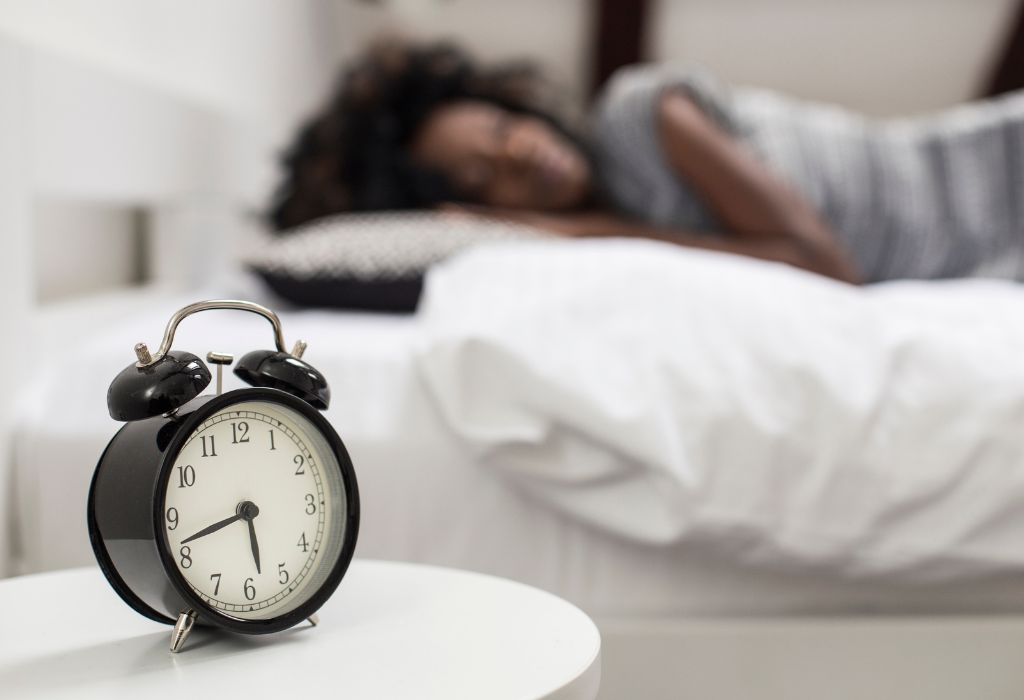
Sleep Apnoea is a common yet serious condition that affects many people around the world. It occurs when a person’s breathing repeatedly stops and starts during sleep. This can lead to disrupted sleep and various health issues. In this blog, we’ll explore the symptoms, risk factors, treatment options, and ways to prevent Sleep Apnoea.
What Is Sleep Apnoea?
Sleep Apnoea is a sleep disorder where your breathing stops and starts multiple times during the night. The most common form is Obstructive Sleep Apnoea (OSA), which happens when the muscles in the throat relax too much, blocking the airway. A less common form is Central Sleep Apnoea, where the brain fails to send the proper signals to the muscles that control breathing. There’s also Complex Sleep Apnoea, which is a combination of the two.
Although Sleep Apnoea is treatable, left untreated, it can lead to serious health problems like high blood pressure, Heart Disease, and Stroke.
Symptoms of Sleep Apnoea
The symptoms of Sleep Apnoea can vary, but the most common include:
- Loud snoring (often reported by a partner).
- Gasping for air during sleep.
- Feeling tired or sleepy during the day.
- Difficulty concentrating.
- Dry mouth or sore throat in the morning.
- Headaches upon waking.
- Irritability or mood swings.
If you experience any of these symptoms, especially if they disrupt your daily life, it’s important to seek medical advice from your local GP.
Risk Factors for Sleep Apnoea
While anyone can develop Sleep Apnoea, there are certain factors that increase the risk of the condition. These include:
- Obesity: Excess fat around the neck can block the airway during sleep.
- Age: People over 40 are more likely to develop Sleep Apnoea.
- Gender: Men are more likely to develop Sleep Apnoea than women, though the risk for women increases after Menopause.
- Family History: If your family has a history of Sleep Apnoea, you may be at a higher risk.
- Smoking and Alcohol: Smoking can increase inflammation and fluid retention in the upper airway, while alcohol relaxes the muscles in your throat, making breathing problems more likely.
- Nasal Congestion: Having blocked nasal airways can make it difficult to breathe through your nose, increasing the chances of Sleep Apnoea.
Treatment for Sleep Apnoea
The treatment for Sleep Apnoea depends on the severity of the condition. Common treatments include:
- CPAP Therapy (Continuous Positive Airway Pressure)
The most common treatment for moderate to severe Sleep Apnoea is a CPAP machine. This device delivers a steady stream of air through a mask that you wear over your nose and/or mouth during sleep. The airflow keeps your airway open, preventing apnoeic events (breathing pauses).
- Lifestyle Changes
For mild cases of Sleep Apnoea, lifestyle changes can make a significant difference. These include:
- Losing weight: If you are overweight, shedding excess pounds may help reduce the frequency of apnoeic episodes.
- Sleeping on your side: Sleeping on your back can worsen Sleep Apnoea, so sleeping on your side can help.
- Avoiding alcohol and sedatives: These substances relax the muscles in your throat, increasing the likelihood of airway obstruction.
- Quitting smoking: Smoking irritates the airways, making Sleep Apnoea symptoms worse.
- Oral Appliances
Dental devices, also known as mandibular advancement devices, can be used to reposition the lower jaw and tongue, preventing airway obstruction during sleep. These are typically used for people with mild to moderate Obstructive Sleep Apnoea.
- Surgery
In severe cases where other treatments have not worked, surgery may be considered. Surgical options may include:
- Tonsillectomy: Removing the tonsils in cases where they contribute to airway obstruction.
- Nasal surgery: Surgery to correct nasal passage issues.
- Jaw surgery: In some cases, surgery to reposition the jaw can help improve the airway.
Preventing Sleep Apnoea
While Sleep Apnoea may not always be preventable, there are steps you can take to reduce your risk:
- Maintain a healthy weight: Even a small amount of weight loss can help reduce Sleep Apnoea symptoms.
- Exercise regularly: Regular physical activity can improve muscle tone and reduce the severity of Sleep Apnoea.
- Avoid smoking and limit alcohol: As mentioned earlier, smoking and alcohol increase the risk of Sleep Apnoea.
- Establish a sleep routine: Try to go to bed and wake up at the same time every day to promote better sleep quality.
When to Seek Help
If you suspect you have Sleep Apnoea, or if you experience any of the symptoms listed above, it’s important to seek medical advice, with the first step speaking to your GP. A healthcare professional can evaluate your symptoms and recommend the best course of action, whether that’s lifestyle changes, a CPAP machine, or another form of treatment.
How Asclepius Occupational Health & Wellbeing Can Help
At Asclepius Occupational Health & Wellbeing, we can signpost you to a range of services to help diagnose and manage Sleep Apnoea. Sleep Apnoea Specialists can guide you through treatment options, from lifestyle changes to CPAP therapy. If you’re looking for more information or would like to schedule a consultation, please don’t hesitate to reach out.
Taking control of your sleep health can lead to better sleep, improved quality of life, and reduced risk of serious health problems.
Don’t wait – get the help you need today.
I hope you found this blog helpful in understanding Sleep Apnoea. If you have any questions or would like more information, feel free to contact us at Asclepius Occupational Health: enquiries@a-ohs.co.uk